Lowcountry Lifestyles Passport Bonus Content, December 2025
Waddell Mariculture Center
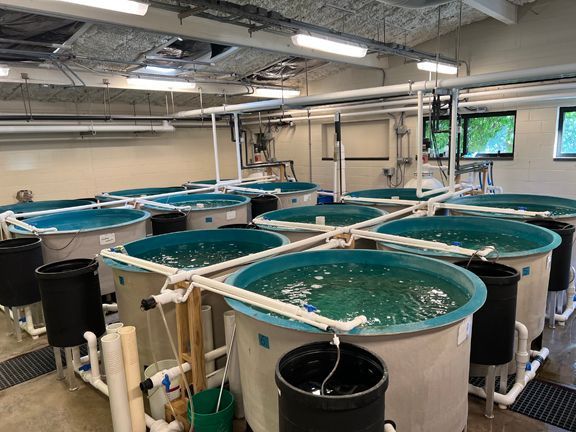
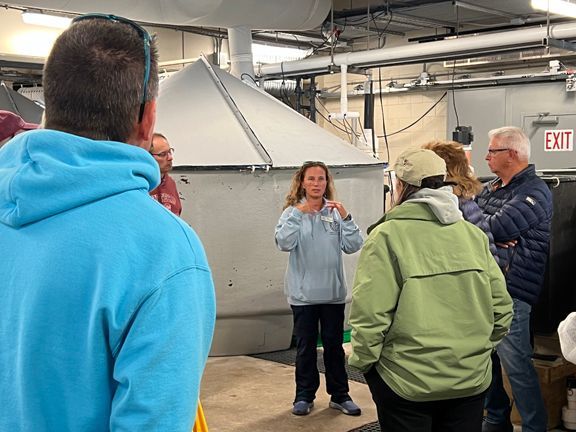
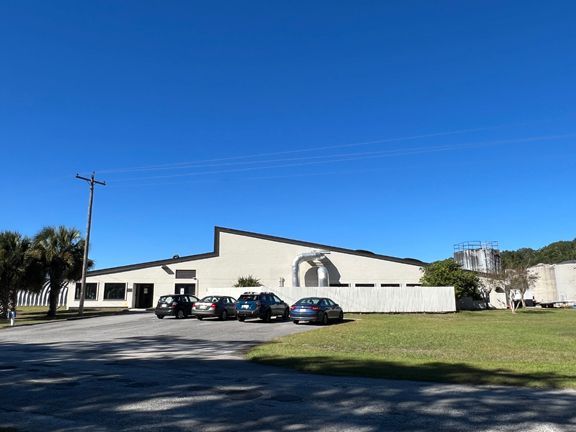
WMC Manager Erin Levesque shared many interesting facts about the history and role of this saltwater hatchery during our recent tour of the facility. Decades ago, Gullah shrimpers waged a campaign that prevented BASF from building a chemical plant on the location where the WMC sits now because they knew allowing such a plant would have ruined the ecosystem. BASF instead went to Louisiana to build on the Mississippi River between New Orleans and Baton Rouge. Communities in the area now exist with 200 fossil fuel and petrochemical production plants in an 85-mile stretch of the river that since the 1980s has been known as “Cancer Alley.” Many thanks are owed to the Gullah shrimpers for their efforts to keep our local waters pristine and our sea life thriving!
Speaking of maintaining a thriving sea life, if you drink local craft beer you may be supporting WMC’s efforts without even knowing it! Levesque shared that several breweries are actually helping to sustain the fish population in our local waters by giving WMC spent grains and other byproducts of the brewing process. Regardless of the style of beer being brewed, these byproducts are consistent in their chemical and nutrition profiles, making them ideal for supporting the propagation of WMC’s fish population.
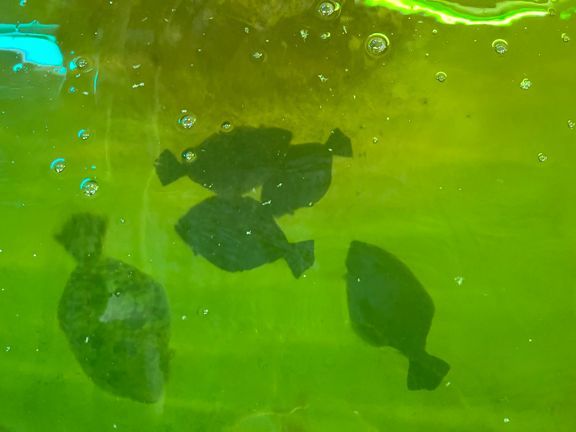
For an idea of the scale of their work, WMC annually releases up to two million Red Drum per year. However, they are cautious regarding how many fish they release of any given species in any given year so as not to damage or overwhelm the ecosystem. WMC is able to track the fish “families” it releases through the use of satellite, acoustic, streamer, chip, and genetic tagging. Levesque said a genetic tag is the only tag that a fish will never lose. They are able to obtain a fish’s genetic material and profile through a nonlethal process that entails clipping the fin of a fish.
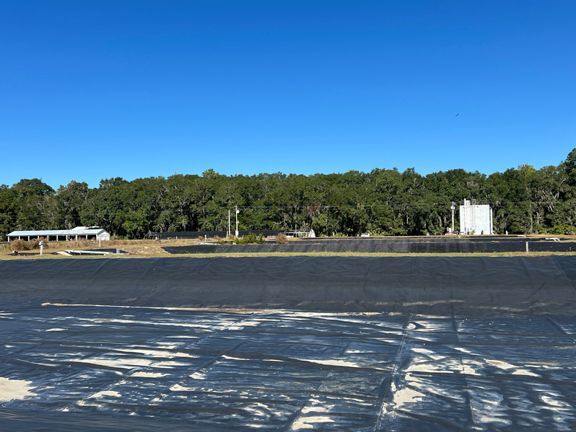
The 12 ponds located on the center’s grounds are approximately seven feet deep and are as large as 1.25 acres. Fish are kept in these ponds only about 30 days before being released into the region’s waterways. WMC does charge for its tours, but please know that the revenue goes to a good cause. Funds raised through paid tours support scholarships for the college students who intern and learn at the facility.